Posts
-
Strategies for querying periodic S3 data snapshots
A common AWS analytics pattern involves running aggregate queries across multiple S3 datasets. This post explores approaches for syncing and querying S3 snapshot data, with a focus on maintaining consistent access to complete datasets during ongoing data updates. -
Granting AWS Organization member accounts access to Cost Explorer
By default, adding accounts to an AWS Organization results in consolidated billing and cost management in the Organization management account, and Organization member accounts lose access to Cost Explorer, Billing, and other cost management services.
This post walks through how to allow member accounts to access cost management services, to enable each team to review and manage their AWS spending.
-
Using AWS Organizations to standardize security controls across AWS accounts
AWS Organizations provide a helpful, zero-cost way to centralize management of AWS accounts, with support for consolidating billing, role-based permission sets, service and resource control policies, and AWS service configurations.
-
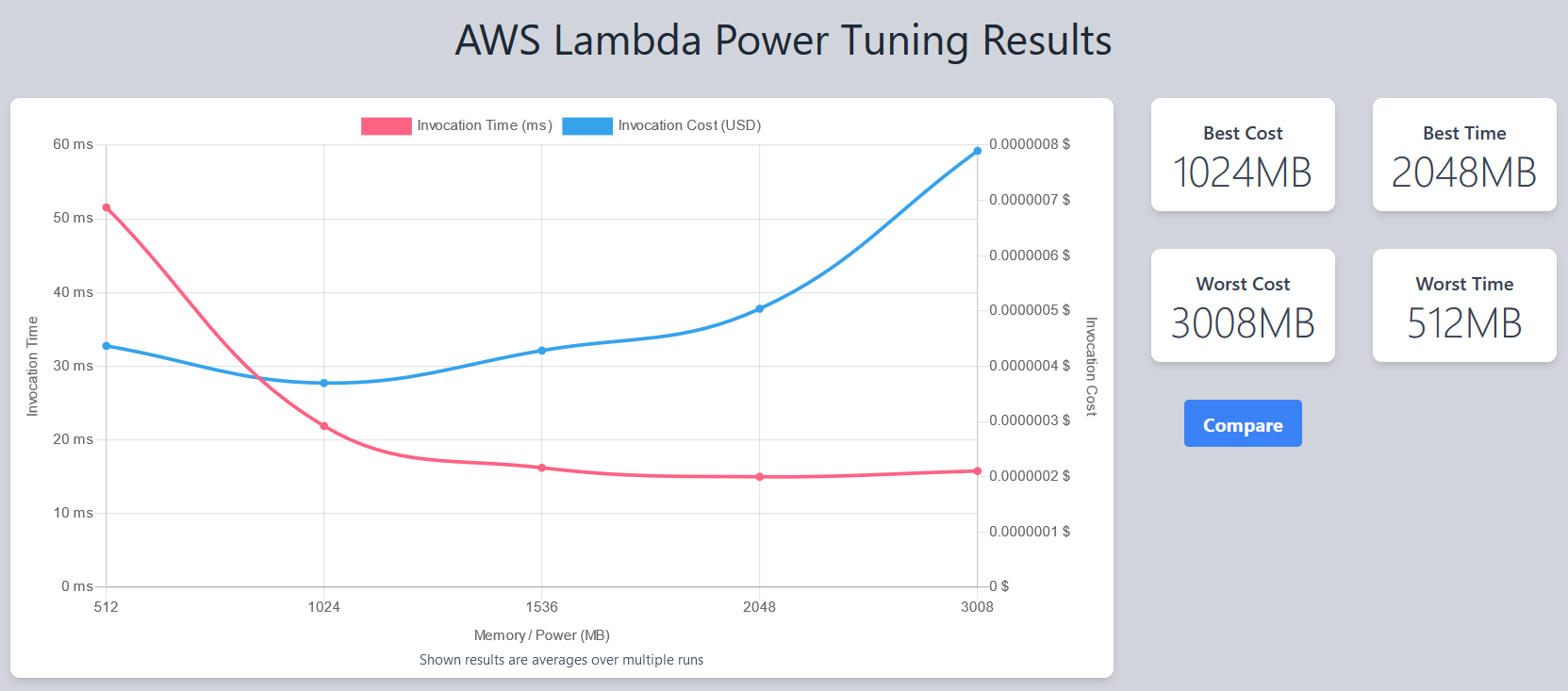
Reducing Lambda latency by 76% with AWS Lambda Power Tuning
Optimizing AWS Lambda memory capacity can decrease customer-facing latencies by up to 2-5 times without significantly increasing hardware costs, but can take some trial and error.
The AWS Lambda Power Tuning tool can be used to determine the optimal memory capacity for any Lambda function within minutes, and can be set up in a few button clicks.
-
Serializing and deserializing DynamoDB pagination tokens to support paginated APIs
When using AWS's Java 2.x SDK, DynamoDB scan and query responses provide pagination tokens in a String to AttributeValue Map object, which represents the primary key of the last processed DynamoDB item. You can then pass this value as the "exclusive start key" for the next query to get the next page of results.
When your service retrieves all pages of results locally, this isn't a problem. However, when you want to provide a paginated API backed by DynamoDB, you'll need to convert this attribute value map into a format that can be passed over HTTP, AKA "serialize" the object into a string.
-
Concurrency from single host applications up to massively distributed services
This post will describe several levels of concurrency, how they're commonly applied, and pros and cons of each approach. -
Process for designing distributed systems
A step-by-step framework for designing distributed systems, from validating the problem and gathering requirements to defining APIs, data flows, architecture, and technology choices that scale with future needs. -
Choosing between AWS compute services
When building a new service in AWS, it can be difficult to decide between all the available compute services. In this post I’ll give a brief overview of the main options and describe how I compare and choose between them for a given project.
subscribe via RSS